2020 New Privacy Law

2020 New Privacy Law

2020 New Privacy Law

The CCPA will change how many businesses do business

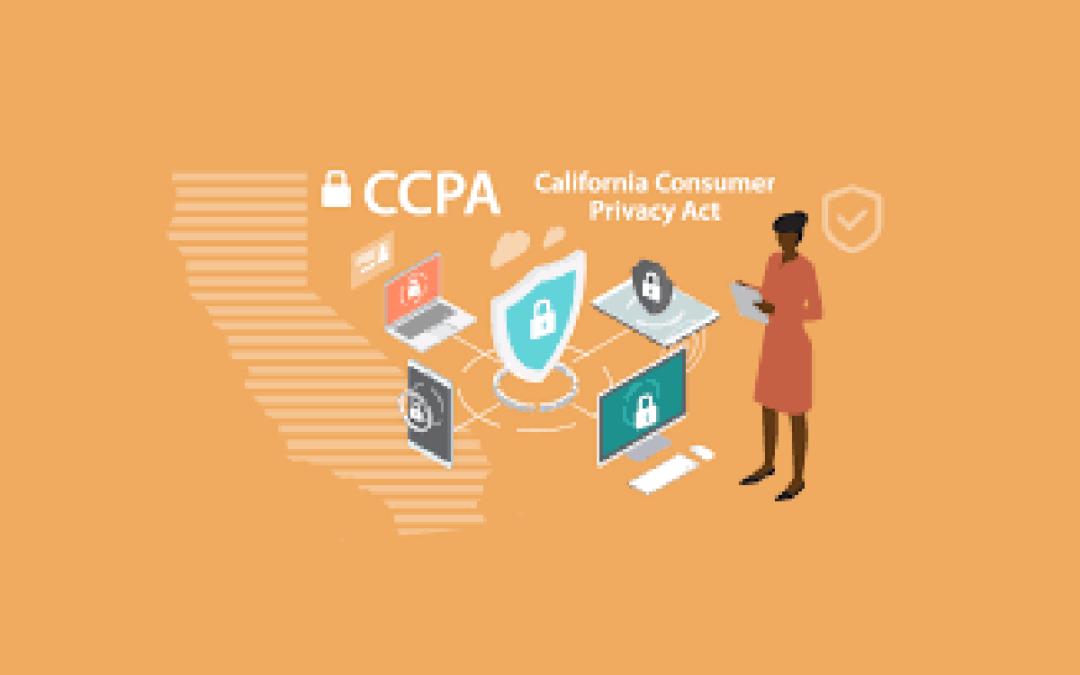
Data privacy laws call for businesses to take steps to safeguard customers’ and employees’ personal information and to notify them if a breach occurs have been on the books for years. Recently, however, a new California privacy law—the California Consumer Privacy Act (CCPA)—was enacted ensuring consumers (but not employees–at least for now) the right to know what personal information is being collected and requiring businesses to respond to consumer demands for records showing all the personal information a business has collected about them and any third parties with which it has shared or sold their data, as well as requests to have their data erased and to opt-out of the sale of their personal information.

The new law becomes effective on January 1, 2020, and administration begins on July 1, 2020. Other states, including Hawaii, Maryland, Massachusetts, Mississippi, New Mexico, and Rhode Island, are following California’s lead and considering similar legislation. Because the California law will affect many small businesses, including some located in other states, and because it is likely that other states will adopt similar laws, it is important for small business owners to be aware of the new law and its potential impact on them.

Which Businesses Must Comply?
The CCPA applies to businesses that fall into at least one of the following categories: (1) those that earn $25 million or more in annual revenue; (2) those that buy, receive, or sell the personal data of at least 50,000 consumers or households; or (3) those that obtain at least half of their revenue selling the personal data of California residents. Any business, including those located outside of the state of California, will be subject to the law, if it meets one of the three conditions mentioned above. It has been estimated that more than 500,000 U.S. businesses, including many small businesses, will be impacted. The law does not apply when a business’s commercial conduct “takes place wholly outside of California,” i.e., (1) the business collected information while the consumer was outside of California; (2) no part of a sale of the consumer’s personal information occurred in California; or (3) there was no sale of the personal information collected while the consumer was in California.

What Are Businesses Required to Do?
The CCPA involves businesses, in response to a demand by a consumer, to make certain disclosures, which must be reasonably accessible to consumers and updated at least every 12 months.

Although the CCPA includes many specific requirements, in general, businesses that collect consumer data must:

Inform consumers about the categories of personal information they will collect;
Inform consumers about the purposes for which these categories of personal information will be used;
Provide notice if any new categories of personal information will be collected after the initial disclosure; and
Inform consumers of their right to request the deletion of personal information and the limitations to that right.
Businesses that sell consumer data or disclose it for a business purpose must comply with the requirements listed above and provide the following information:

A list of the categories of personal information they have sold over the preceding 12 months;
A list of the categories of personal information they have disclosed over the preceding 12 months;
A statement disclosing that consumer information may be sold; and
A disclosure of consumers’ right to opt-out of the sale of their personal information.
Businesses must also provide a clear, visible, and easily accessible link on their homepages and privacy policies enabling consumers to opt-out of the sale of their personal information. In addition, the CCPA requires businesses to disclose to consumers their right not to be discriminated against as a result of opting out. For children, there must be an express opt-in for their personal data to be sold. Upon a request by a consumer to delete the consumer’s personal information, the business must delete the information from its records and direct any service providers to delete the consumer’s personal information from their records as well.

Businesses must provide at least two ways for consumers to make requests for information, including, at least, a toll-free number, and if the business has a website, a web address. The business must deliver the information requested within 45 days at no charge to the consumer.

What Happens If My Business Violates the CCPA?
If regulators notify a business of a violation, it has 30 days to comply with the law before any penalty will be imposed. If the business does not resolve the issue within the 30-day deadline, the state of California can impose a hefty fine of up to $7500 per record. In addition, individuals affected by a violation of the CCPA can sue the business individually or as part of a class action for damages.

Give Us a Call
If you need help determining whether the New Privacy Law or a similar law will impact your business and what your business needs to do to comply with the law, we can help. Please call our office at 970-776-3311 to set up a consultation so we can discuss this law or any of your business’s other data privacy and protection obligations.

Oil & Gas Rights Q&A

Oil & Gas Rights Q&A

Oil & Gas Rights Q&A

3 Common Questions from CO and WY Land Owners
The oil and gas attorneys at McDonough Law receive a lot of questions from landowners about oil and gas rights. If you own land in Colorado or Wyoming, there is a good chance that you are sitting on oil or natural gas. Whether or not you own the rights to those natural minerals is an important legal determination, especially as business in that industry continues to boom.

Here, are three of the most common questions we receive about oil and gas rights.

If I own the land, do I also own the minerals?

Surface land and mineral estates are legally defined as two separate things. In other words, you can own the surface of your land, but not the mineral rights to anything found below the surface; including minerals like oil and gas.

If you own both the surface land and the mineral rights, it is known as a ‘fee simple ownership.’ However, if the mineral rights were ever separated from the surface use through a deed, it created a ‘split estate’.

Unfortunately, determining if you have fee simple ownership or a split estate can sometimes be difficult. Deeds are not always properly recorded or conveyed in purchase agreements or estates and trusts, which means that the mineral rights may have been deeded years ago but were long forgotten in the paper trail. A proper land title search is usually necessary.

If you need help determining whether you own minerals you should speak with an experienced oil and gas attorney from McDonough Law Group. A full-service law firm with a depth of knowledge, Crystal McDonough and her team can help you understand your property rights and determine exactly how much you own.

8 Steps To A New Business

8 Steps To A New Business

8 Steps To A New Business

Starting a new business is an exciting endeavor but can quickly become overwhelming – especially if you’re doing it alone. Creating a well-defined business plan allows you to refine incomplete ideas, address matters you might not have considered, construct a roadmap so you know what to do next, and even increase credibility for bank lenders or investor funding.

Here are some guidelines provided by the U.S. Small Business Administration (SBA), that will help you get down to business, literally:

1. Executive Summary. An executive summary is a snapshot of your business plan as a whole and touches on your company profile and goals.

2. Company Description. The company description provides information on what you do, what differentiates your business from others, and defines the markets your business will serve.

3. Market Analysis. Before launching your business, it is essential for you to research the industry, market, and competitors. What’s working and what’s not working for your competitors? How will you distinguish yourself from others? Is there anyone else in your market? If not, it could be for good reason—there might not be a consumer demand for your product or service.

4. Organization & Management. Every business is structured differently, so it’s important to understand how your company will be organized and managed. What entity will you use? Who’s in charge of what, and when? What kind of business succession plan needs to be put in place?

5. Service or Product Line. Tell the story about your product or service. Describe the features of what you sell and how it will benefit your potential customers.

6. Marketing & Sales. Describe how you plan to market your business and explain your general sales strategy.

7. Funding Request. If you are seeking funding for your business, make sure to include every detail requested by potential investors in your business plan. Any omissions may put your request at the bottom of the pile, or worse yet, in the garbage can.

8. Financial Projections. Providing financial projections to back up your funding request is critical. Find out what information you need to include in your financial projections for the bank or angel investor.

It’s likely that you may not know the answers to these questions, and that’s okay. McDonough Law Group can help you to refine your goals, map out your plan, and provide the kind of details needed to make your venture a success. Even if you’re already “knee-deep” in your business model, we’ll help you get your “ducks in a row.” Call (970) 776-3311 to schedule your FREE consultation.