
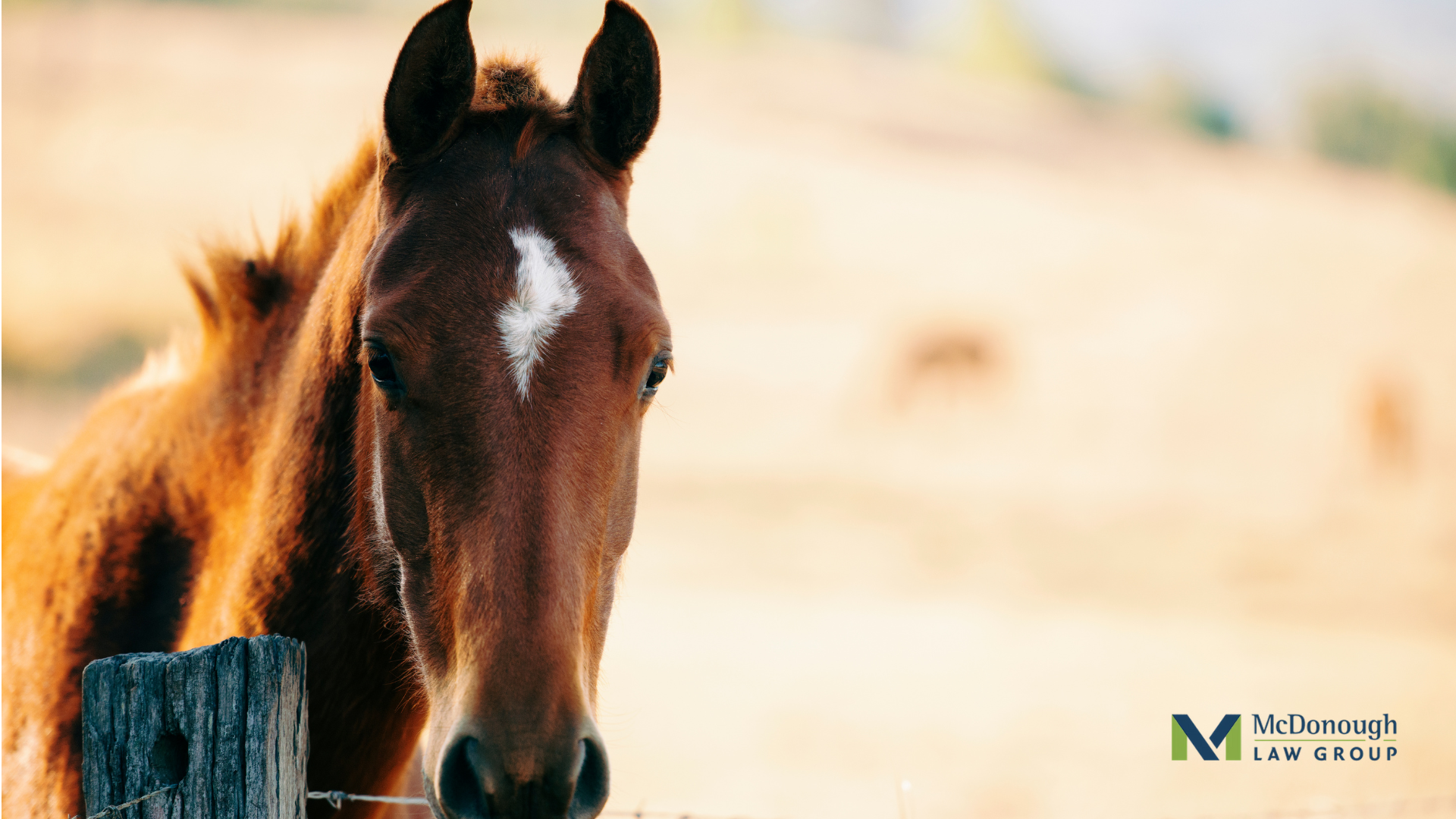
Buying or Selling a Horse Online – Not as Simple as a Wire Transfer
By: Crystal McDonough
Buying and selling items online is nothing new. Craigslist, Facebook Marketplace, Etsy, Amazon, and other websites have been around for a while now. They all allow people and businesses the ability to sell their products online. As the online market has evolved, more products have made their way into this space. While online marketplaces have created much opportunity for buyers and sellers alike; unfortunately, these marketplaces have also provided scammers with new ways to defraud unsuspecting buyers. Horses are no exception.
Buying a horse online really isn’t all that different from buying a horse in person. For example, you should make an effort to see the horse in person and have a reputable veterinarian do a comprehensive examination, review the contract, review all medical records, etc. In my previous article I covered much of the details involving buying and selling horses. Those apply here as well. However, if you are selling or buying a horse online there are a few more details that you should consider and steps to take in order to protect yourself from ever-lurking scammers. It is especially important to take precautionary steps if you decide to buy a horse sight-unseen.
If you are looking to purchase a horse online, check the listed location on the seller’s website, call to verify the owner, location, and details of the horse . If the seller will not communicate directly with you over the phone, and only by text or email, there is a chance it is a scam. Request additional pictures or videos of the horse you’re interested in buying, or even ask for a live video call showing the horse in real time. Ask for references. A seller is usually willing to provide more information upon request. Request that the seller accommodate a visit from a local veterinarian of your choosing for an examination. If the seller refuses, it’s probably a scam. Reputable sellers understand and should accommodate a buyer’s request to have a veterinarian examine a horse prior to purchase. You may also request that the veterinarian examination be recorded if you are unable to be there in person.
Complete additional online searches to discover if the same horse is listed for sale on other websites or listings. If so, then there is a chance that scammers have copied the original listing and are using it to obtain fraudulent wire transfers. Look at email addresses and website URLs very closely. Scammers are very crafty at misspelling or slightly changing a name in order to hide the fact that their websites and emails are fraudulent. Anytime a seller has a significant amount of horses for sale, there’s a likelihood you may find the exact same horse on two or three other websites. More often than not, one or more of these websites may not provide a location for a base of operation or other typical details a reputable seller might disclose. Another red flag is a listing that advertises good deals, or cheap horses for sale, and other gimmicky ploys or language meant to tug on an unsuspecting buyer’s heart strings. These may seem like good deals, but scammers are master manipulators and can cloud a buyer’s judgment. If a deal looks too good to be true, it probably is, so trust your gut.
If after all your due diligence you are ready to purchase the horse, then consider the following warnings related to finalizing the transaction and making payment . If the seller directs you to send the payment anywhere other than to the seller directly, chances are, it’s a scam. A scammer might direct you make payment to a separate individual, a bank located in a different country, or even places like the Western Union. Don’t do it!
If you are a seller listing your horses for sale online there are a few steps you can take to protect your business. First, contact your webhost and web designer to add as many security features and protections as possible on your website and email. You would be amazed at how easy it is for scammers to infiltrate emails, phones, and websites. Never click on an email that seems strange or out of place. Regularly search online to discover is someone has copied your listing and reposted on another website or listing site, and if discovered, immediately report the fraud to the appropriate authorities. Place a warning or disclosure on each page of your website regarding potential scams. Post your picture on your website so that buyers know who you are. Require video calls such as zoom or other online video calling so that buyers can verify that your identity matches your picture on your website. Consider unique codes or verifications and never share these by email or text as scammers have the technology to obtain and copy these communications. Contact your bank to see if they have keys or codes that can be used for transferring money. Scammers will go to great lengths to obtain and infiltrate your websites, emails, and texts. The more you can do to protect yourself and your buyers, the better. Finally, obtain cybersecurity insurance or other insurance to cover you in the event a scammer uses your information to defraud an unsuspecting buyer.
Buying or selling a horse should be an enjoyable experience, and being able to make the purchase online makes is all the more convenient. Properly educating yourself and doing your due diligence can make a big difference and help protect both buyers and sellers alike from scammers.
Contact us to schedule an appointment and discuss your plans.